Recyclable Packaging Options for Modern Businesses
- infohubblog
- Nov 29, 2024
- 4 min read

Recyclable packaging is an essential aspect of sustainable business practices in today’s eco-conscious market. It helps businesses reduce their environmental footprint, appeal to green-minded consumers, and comply with global regulations. In this article, we will explore recyclable packaging options that align with modern business needs.
Why Businesses Need Recyclable Packaging
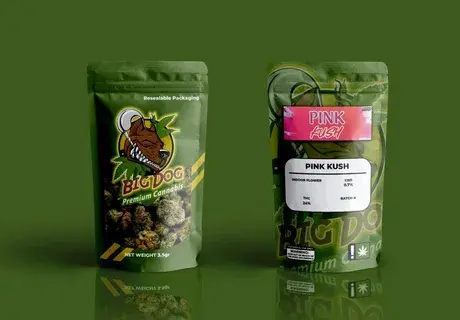
Modern consumers expect businesses to adopt sustainable practices. Using recyclable packaging, such as custom made mylar bags not only enhances a company’s reputation but also supports environmental conservation. With rising regulations on waste management, companies need to shift to eco-friendly packaging to remain compliant and competitive.
Recyclable packaging reduces waste and promotes resource efficiency. Materials like paper, cardboard, and aluminum can be recycled multiple times without significant loss of quality. Moreover, using recyclable packaging can lower production costs in the long run by minimizing the need for raw materials.
Adopting recyclable solutions aligns businesses with global sustainability goals. Companies also gain customer loyalty as eco-conscious consumers prefer brands that prioritize environmental care. Ultimately, recyclable packaging contributes to a positive impact on the planet and profitability.
Types of Recyclable Packaging Materials
Businesses have access to a variety of recyclable materials to meet diverse needs. Here are some popular options:
Paper and Cardboard
Paper and cardboard are among the most commonly recycled materials. They are lightweight, cost-effective, and suitable for various industries.
Uses: Product boxes, mailers, and wrapping.
Benefits: Biodegradable, reusable, and widely accepted for recycling.
Considerations: Ensure coatings or adhesives do not hinder recycling.
Glass
Glass is durable, 100% recyclable, and ideal for products requiring airtight packaging.
Uses: Beverage bottles, jars, and cosmetic containers.
Benefits: Recyclable without loss of quality and safe for food products.
Considerations: Requires careful handling due to fragility.
Aluminum
Aluminum is lightweight, corrosion-resistant, and endlessly recyclable.
Uses: Beverage cans, food containers, and foil wraps.
Benefits: High resale value and energy-efficient to recycle.
Considerations: Ensure separation from other waste streams.
Bioplastics
Bioplastics, derived from renewable sources, offer an alternative to conventional plastics.
Uses: Food packaging, utensils, and bags.
Benefits: Compostable and reduced reliance on fossil fuels.
Considerations: Limited recycling facilities available.
Benefits of Recyclable Packaging for Businesses
Switching to recyclable packaging offers tangible and intangible benefits for modern businesses:
Environmental Benefits
Reduces landfill waste.
Conserves natural resources by reusing materials.
Decreases carbon footprint during production and disposal.
Financial Benefits
Reduces packaging costs over time.
Attracts environmentally-conscious investors.
Generates revenue from recyclable material resale.
Brand Image
Appeals to eco-friendly consumers.
Differentiates businesses from competitors.
Builds long-term customer loyalty.
Innovative Recyclable Packaging Solutions
Businesses can leverage creativity to make recyclable packaging both functional and appealing.
Minimalist Packaging
Using minimal materials reduces waste and production costs. Designs that eliminate excess layers while maintaining durability are increasingly popular.
Multi-Use Packaging
Encouraging consumers to reuse packaging adds value. For example, jars can double as storage containers.
Smart Labeling
Clear recycling instructions on packaging help consumers dispose of it responsibly. QR codes can also educate consumers on sustainability.
Industries Leading the Way in Recyclable Packaging
Some industries have made significant strides in adopting recyclable packaging:
Food and Beverage
Brands increasingly use glass jars, paper-based containers, and aluminum cans to package their products sustainably. These materials keep products fresh and minimize waste.
Cosmetics
Luxury brands often opt for glass containers or biodegradable materials. These solutions combine aesthetics with functionality.
Retail
Online retailers use recyclable mailers and corrugated boxes to ship products securely. This also enhances the unboxing experience for customers.
Challenges in Implementing Recyclable Packaging
Despite its benefits, businesses face challenges when adopting recyclable packaging:
High Initial Costs: Transitioning to sustainable materials can be expensive initially.
Supply Chain Issues: Limited availability of recyclable materials may disrupt production.
Consumer Behavior: Lack of awareness about recycling can hinder effectiveness.
Tips for Choosing the Right Recyclable Packaging
Here are practical steps to ensure your packaging aligns with sustainability goals:
Assess Product Needs: Choose materials that protect the product while being recyclable.
Partner with Eco-Friendly Suppliers: Collaborate with suppliers who prioritize sustainability.
Educate Consumers: Use labels or campaigns to promote proper recycling.
Optimize Design: Avoid mixed materials that are hard to separate during recycling.
The Future of Recyclable Packaging
The future of packaging lies in innovation and collaboration. Businesses, governments, and consumers must work together to improve recycling infrastructure and awareness. Advancements in material science will likely make sustainable packaging more accessible and affordable.
By adopting recyclable packaging today, businesses can lead the way in environmental stewardship and secure a sustainable future for generations to come.
Final Thoughts
Recyclable packaging is not just a trend but a necessity for modern businesses striving for sustainability. As customers demand eco-friendly practices, companies must adapt by integrating recyclable materials into their packaging strategies.
While challenges like cost and supply chain disruptions exist, the long-term benefits outweigh the initial hurdles. Businesses that invest in sustainable packaging not only contribute to environmental preservation but also gain a competitive edge in their industries.
Innovation, consumer education, and strategic partnerships are key to making recyclable packaging viable and impactful. By embracing these practices, businesses can create a win-win situation for the planet and their bottom line.


Comments